Welcome!
Menstruation Without Taboo - Menstrual education project in schools and vulnerable communities
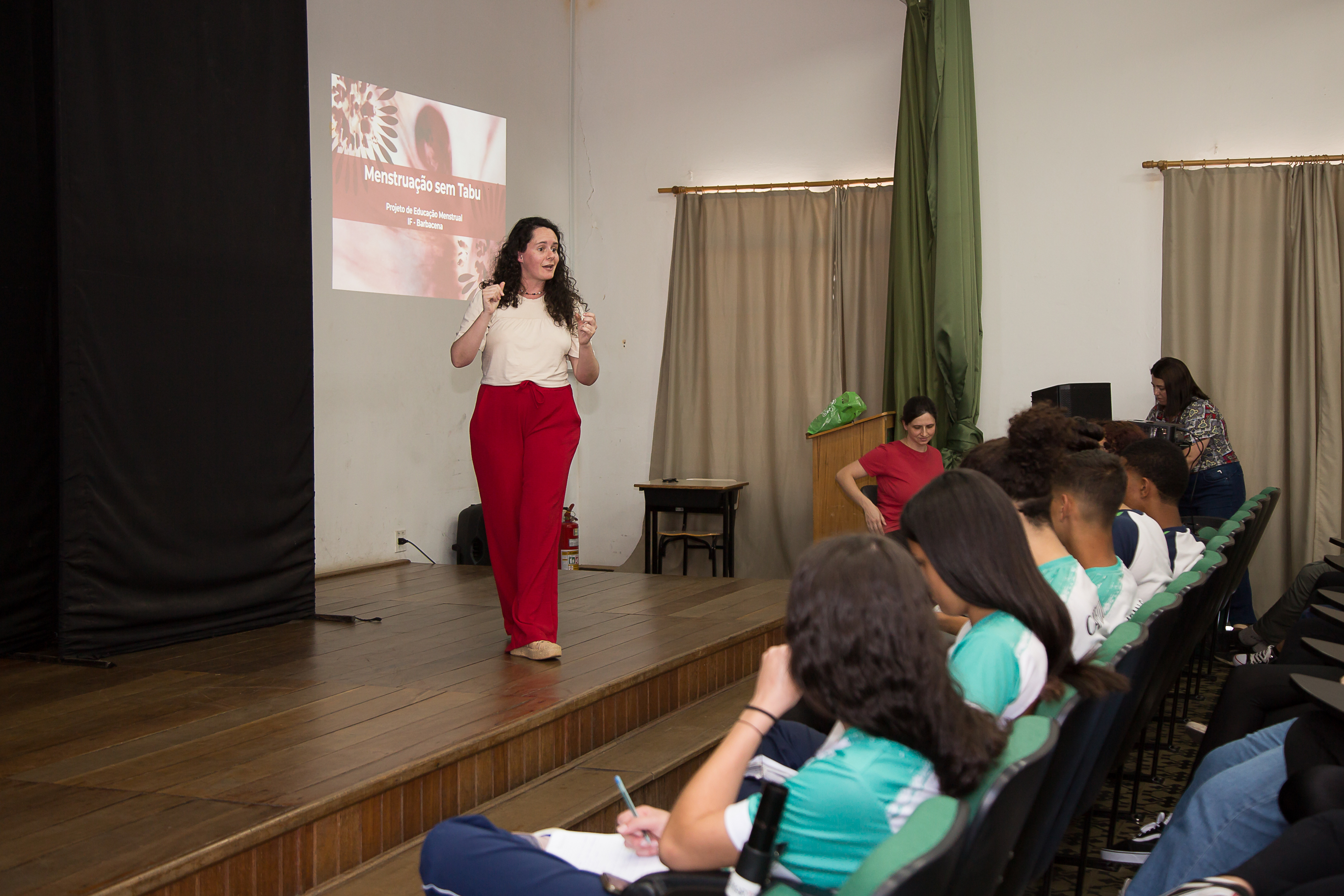
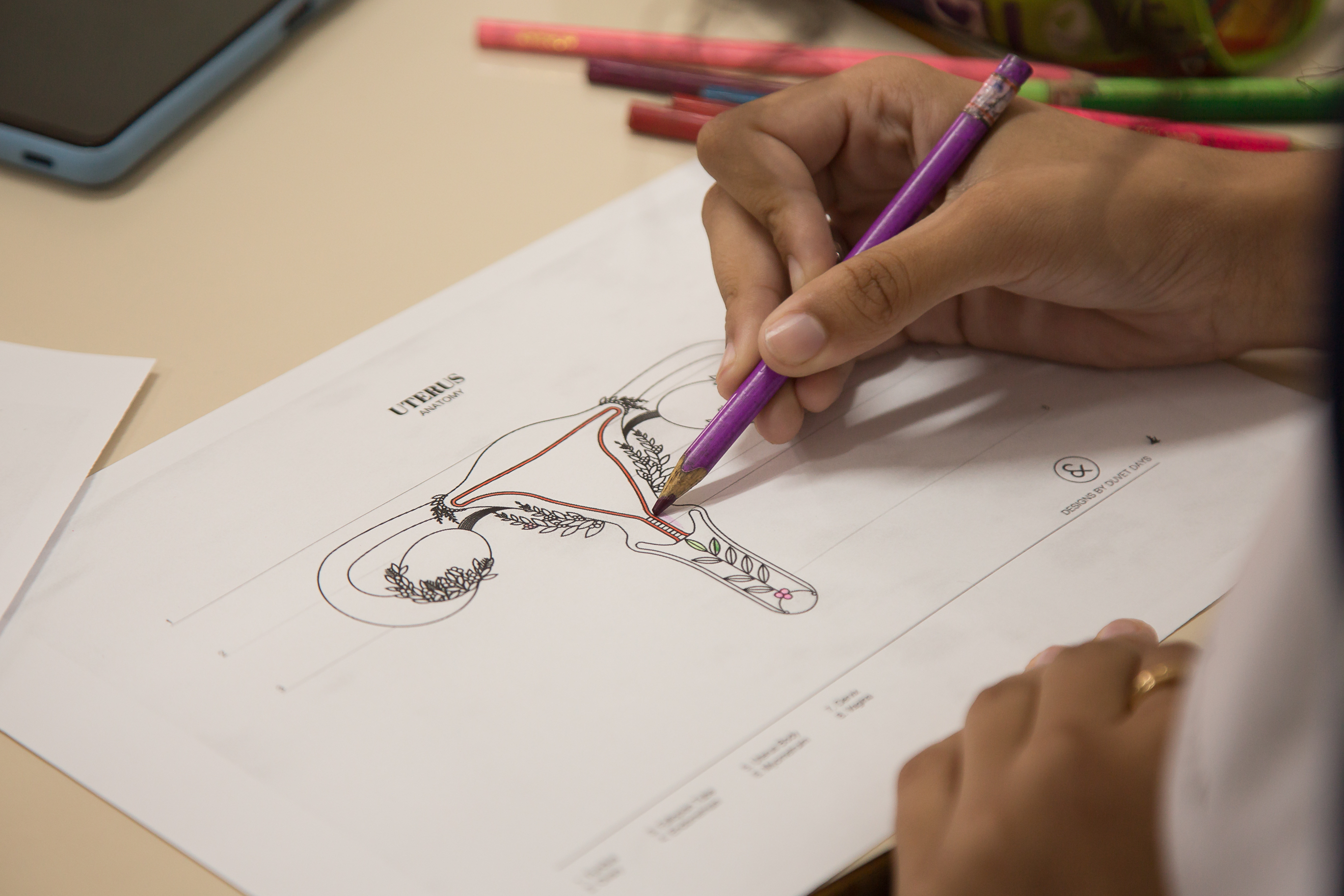
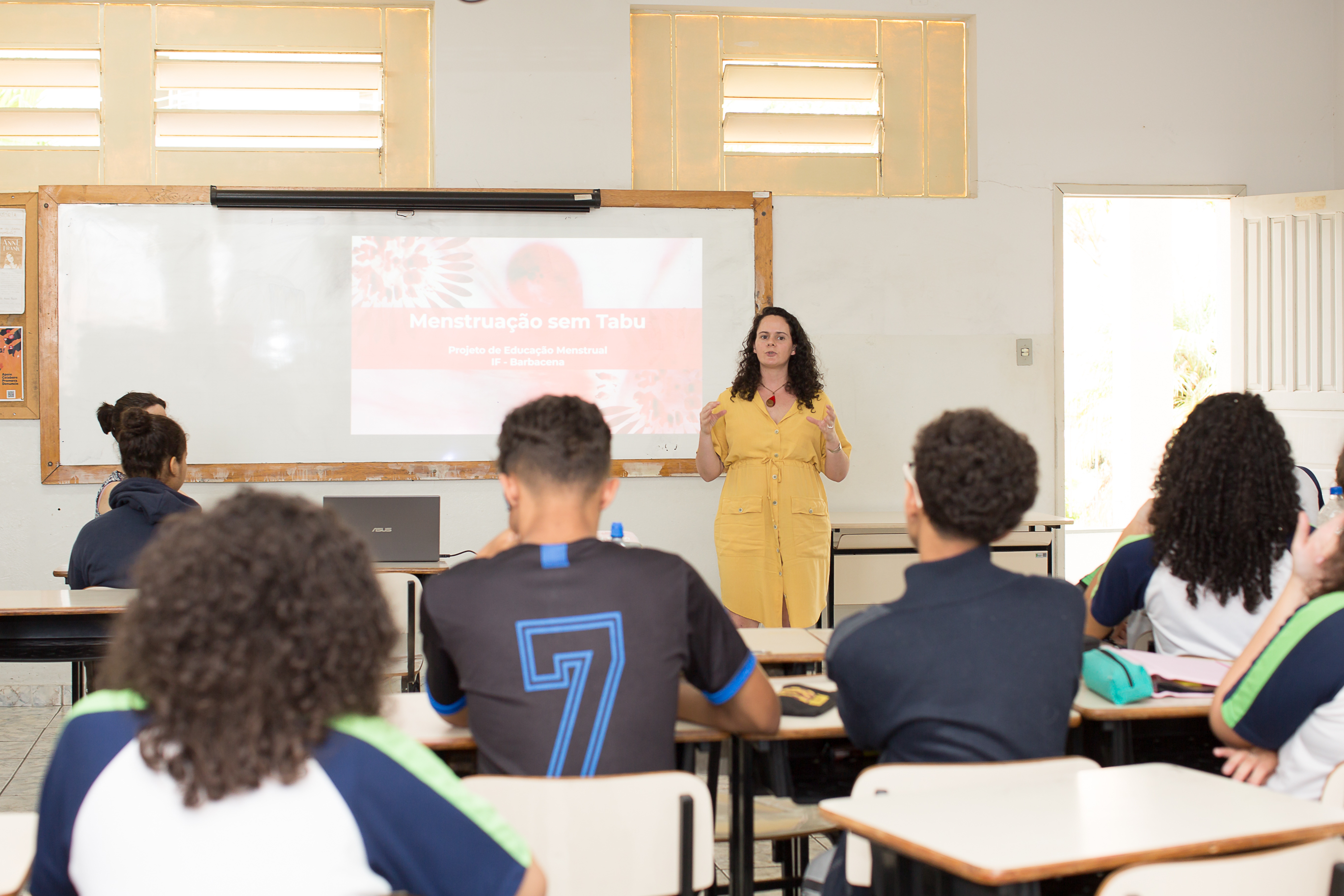
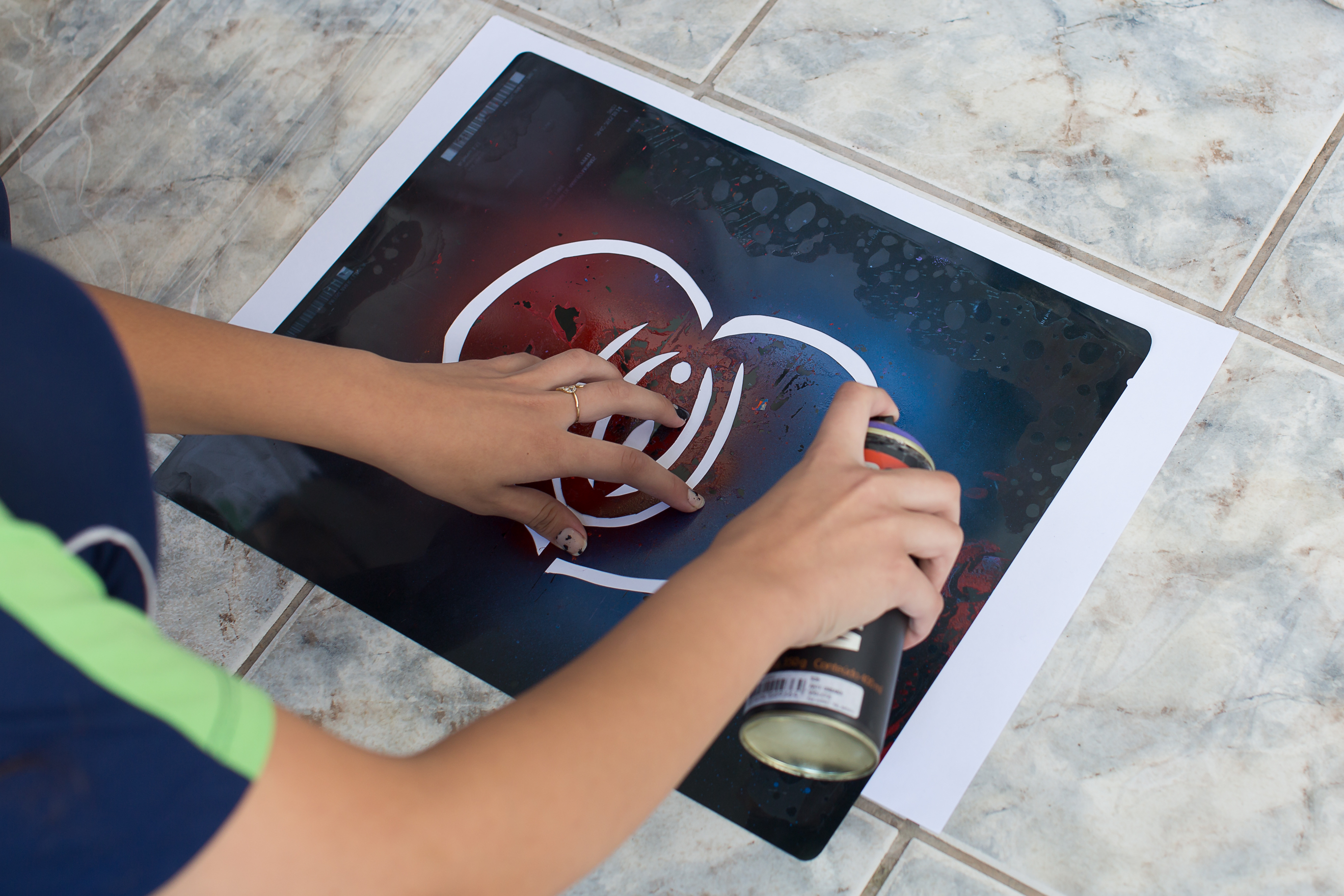
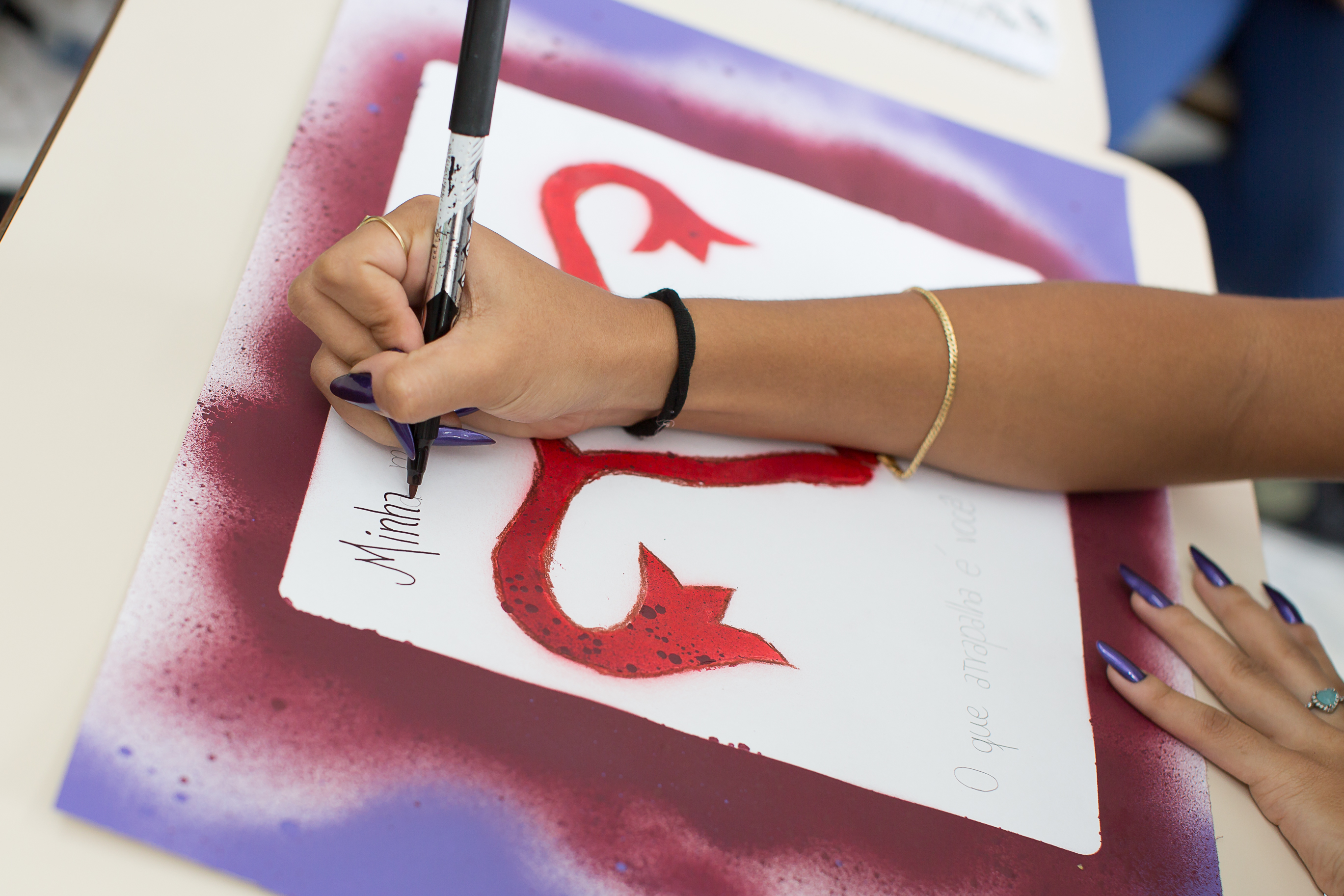
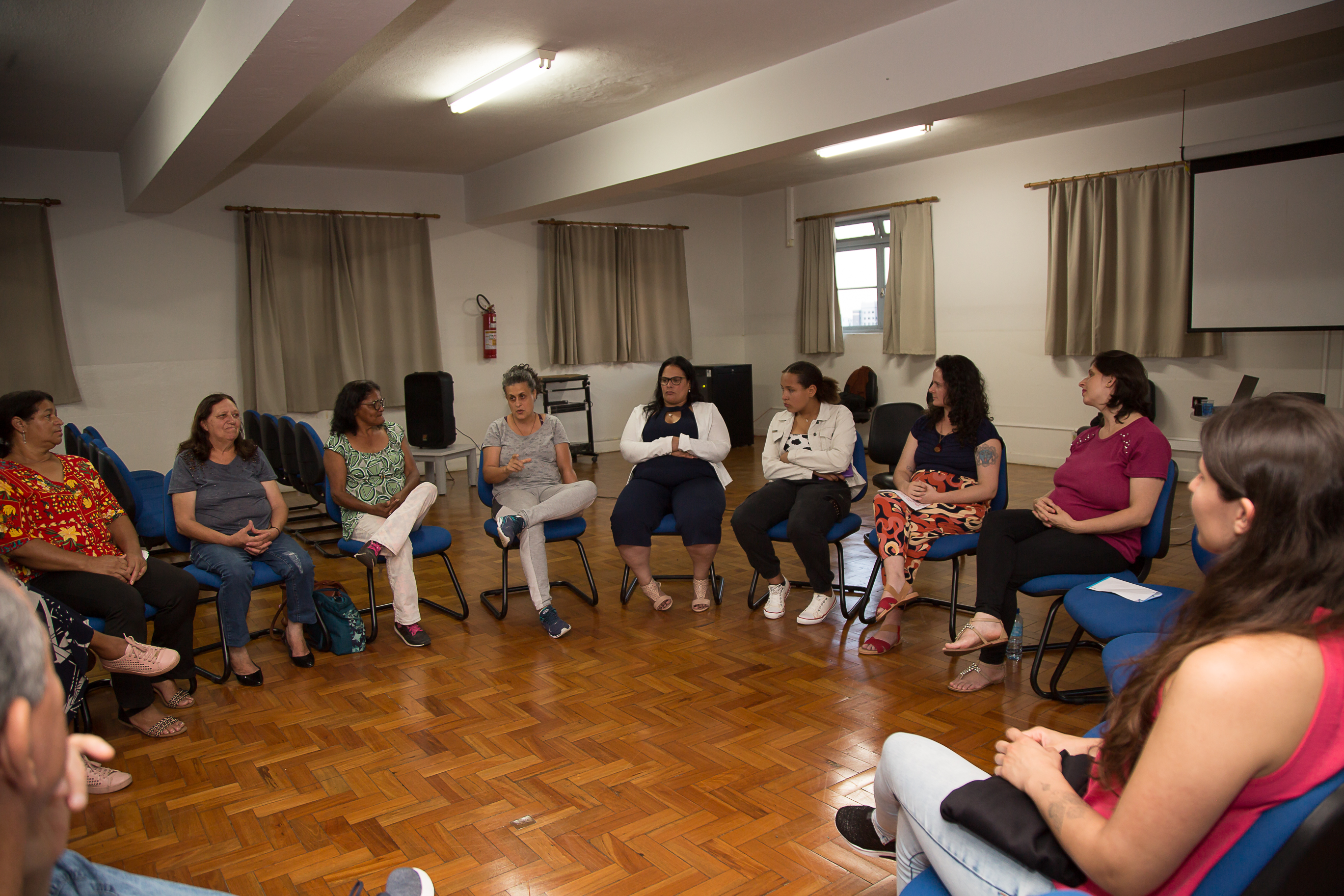
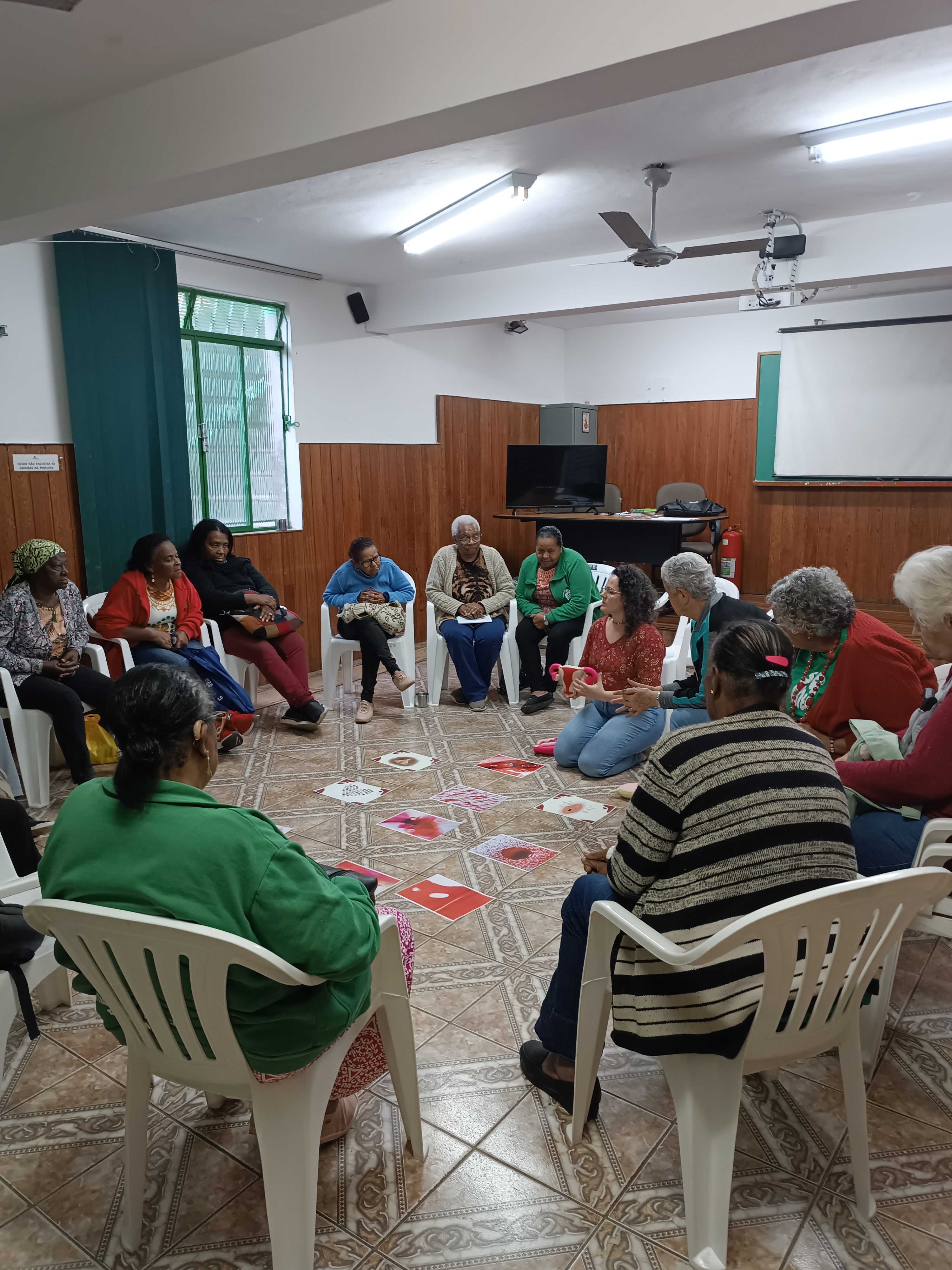
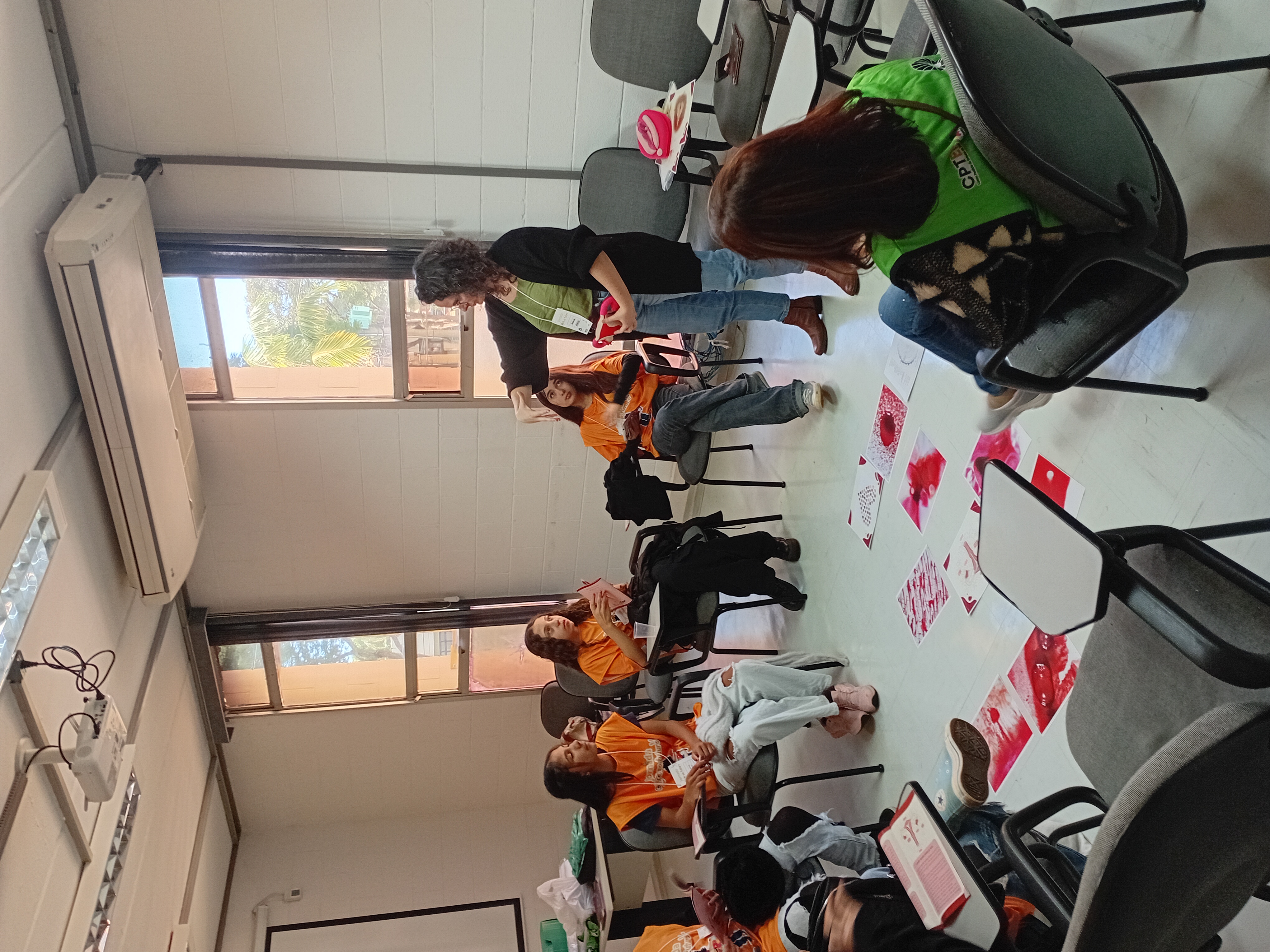
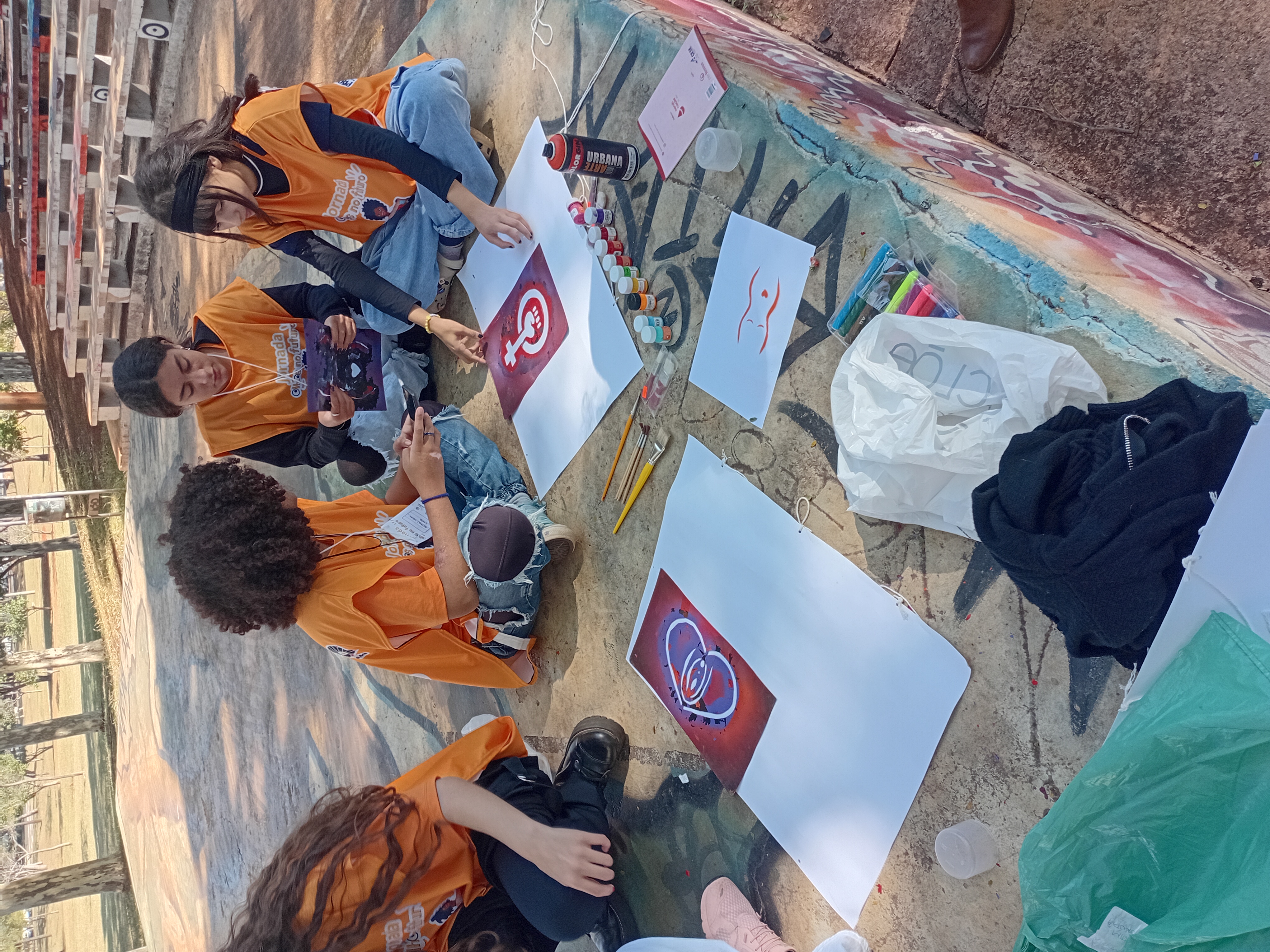
The “Menstruation Without Taboo” project is an initiative that seeks to promote Menstrual Dignity through the education and guidance of girls, women, and people who menstruate. To achieve this, the project conducts Menstrual Education workshops in schools and communities facing social and economic vulnerability, while also providing training on the subject for professionals working in different areas of education, health, and social assistance.
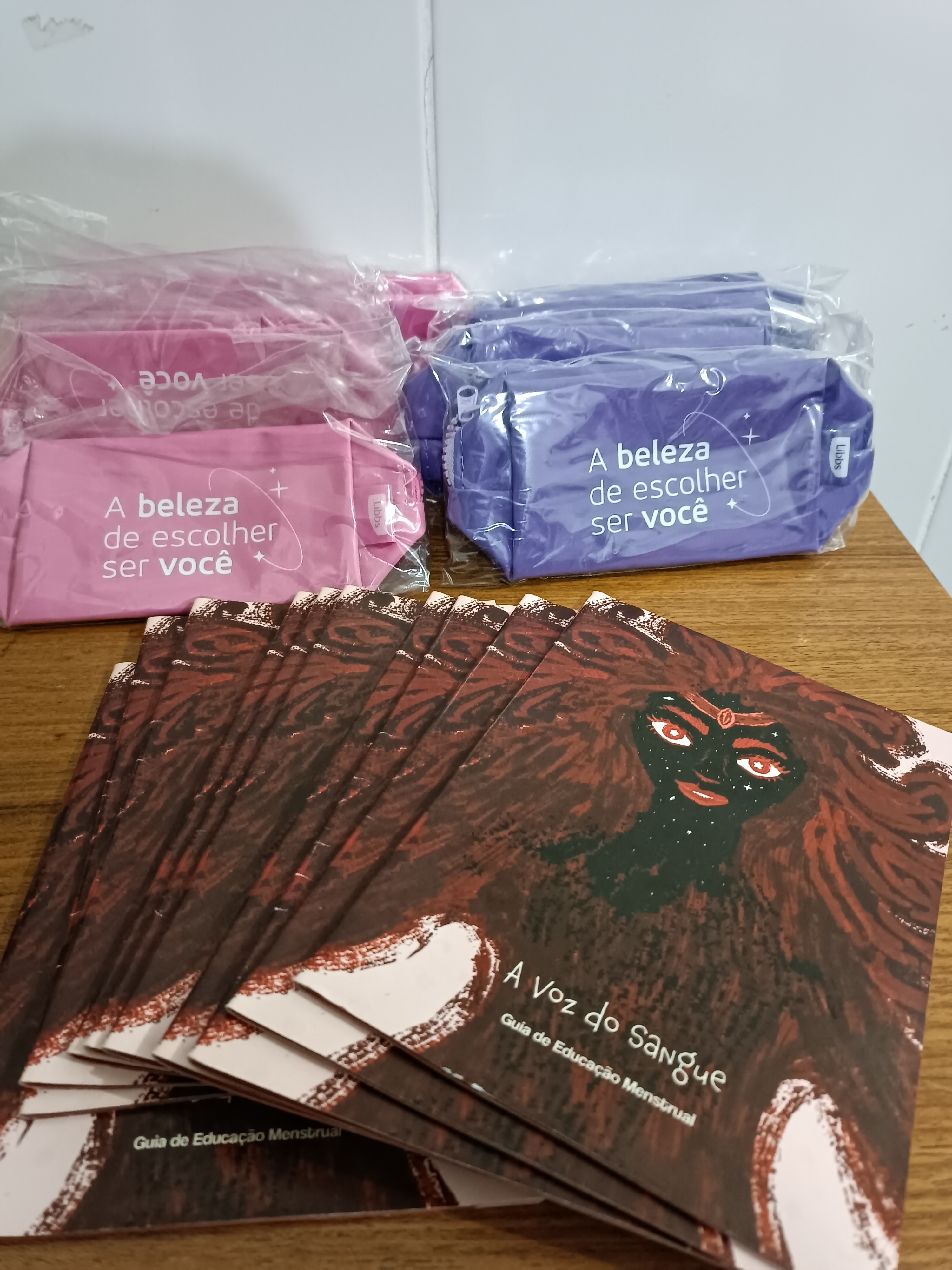
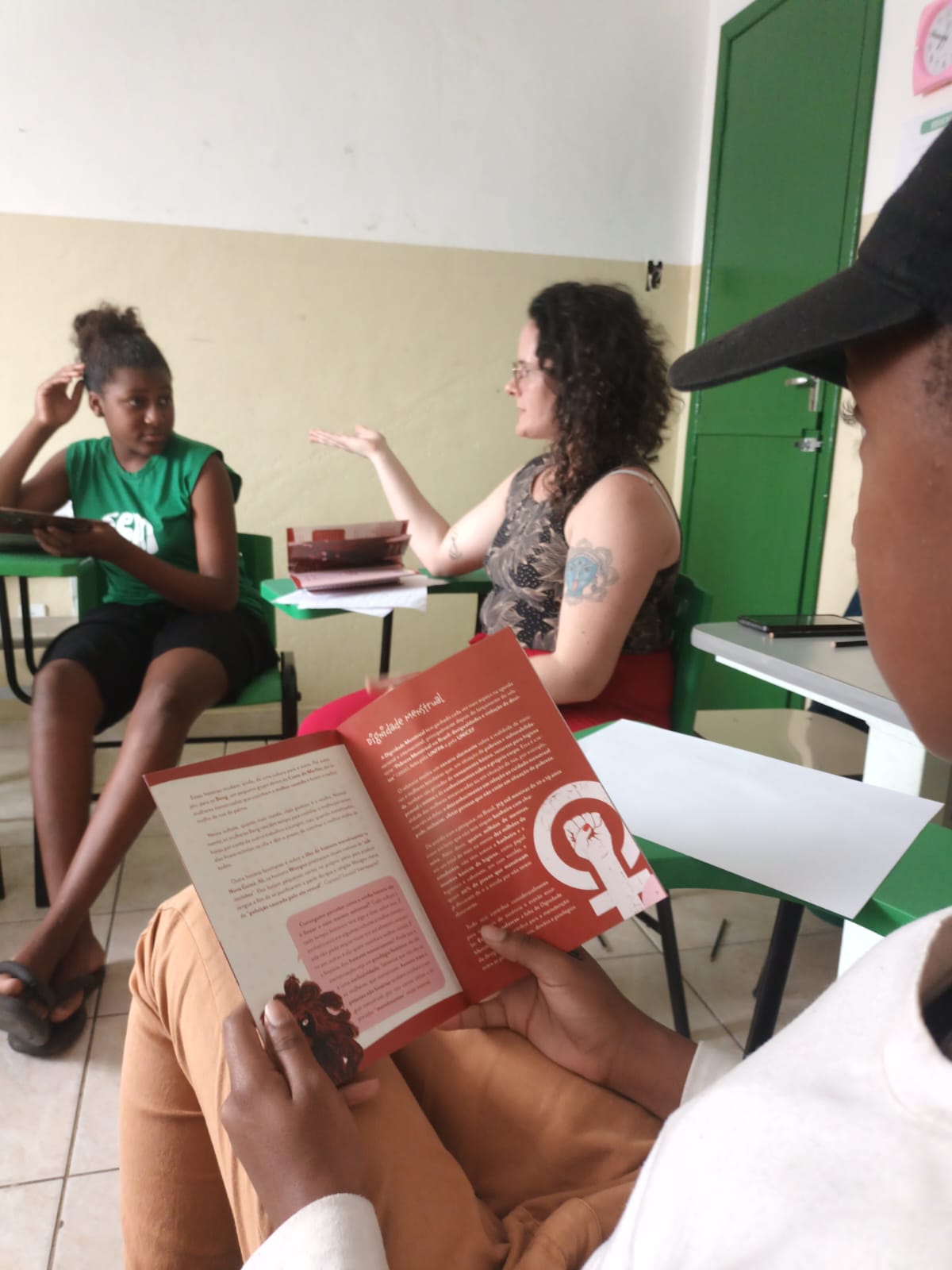
The project began in 2023 at the Instituto Federal Sudeste, Barbacena Campus, in Minas Gerais, where we held regular workshops with all six first-year classes of the integrated technical high school program, reaching approximately 180 students. The following year, we worked in two municipal schools in Barbacena and one municipal school in Juiz de Fora, focusing on 8th- and 9th-grade students and reaching approximately 190 students. That same year, we produced the booklet “A Voz do Sangue – guia de educação menstrual” (“The Voice of Blood – A Guide to Menstrual Education”), which serves as supporting material for the workshops.
In 2025, the project continued its activities in Juiz de Fora in partnership with Instituto Semente, a community center for children, adolescents, and older adults located in the Dom Bosco neighborhood. It also expanded its activities through a postdoctoral research project funded by CNPq – Brazil’s National Council for Scientific and Technological Development – entitled “Menstrual Education in Schools: Impacts and Challenges in Promoting Menstrual Dignity.” The research brought menstrual education workshops to Escola Estadual Barão Geraldo de Rezende, in Campinas, São Paulo, and Centro Escolar Benito Juárez, in Ixmiquilpan, Hidalgo, Mexico.
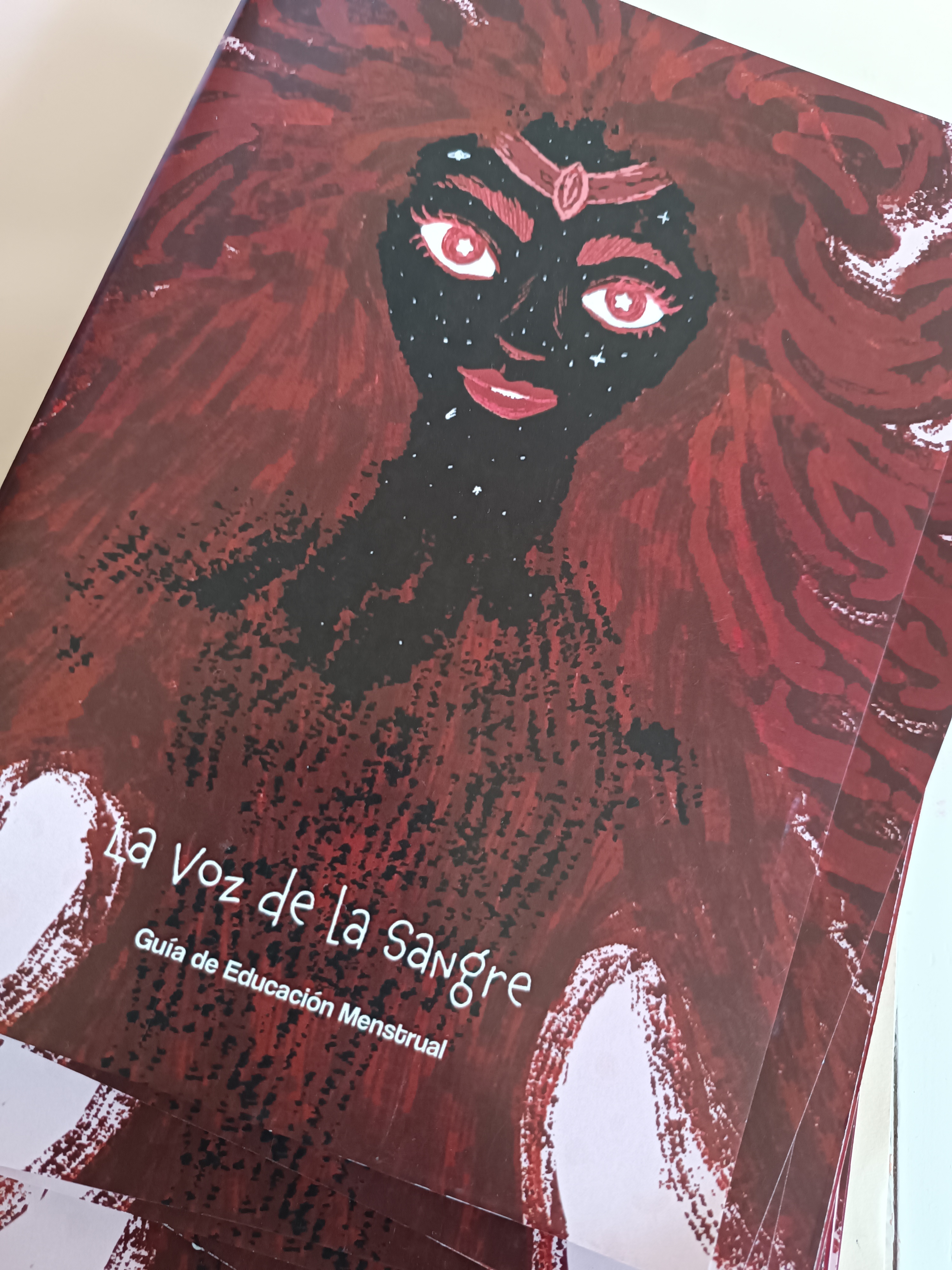
To support the activities carried out in Mexico, we produced a Spanish version of the “A Voz do Sangue” booklet. This research also resulted in the publication of two articles in scientific journals: “Menstruation Without Taboo: a reflection on the experience of menstrual education workshops in schools and public institutions”, published in R@U - Revista de Antropologia da UFSCar, and the article “Educating to Transform!: Impacts and Challenges of Menstrual Education in Brazil and Mexico”, published in Plural - Revista da Asociación Latinoamericana de Antropología.
Also in 2025, we offered our first training program in Menstrual Education, aimed at professionals from different sectors and locations, including Barbacena, Juiz de Fora, Cataguases, Ouro Preto, Campinas, São Paulo, Mossoró, and Boa Vista. As part of the training program, participants conducted workshops in schools and other social assistance institutions in their respective locations.
In 2026, we are continuing the workshops in the communities where we already operate while also opening new areas of activity. In Juiz de Fora, activities are being carried out at the Casa de Acolhimento a Mulheres em Situação de Rua, in the Ipiranga neighborhood; Instituto Semente; the community centers in Vila Esperança and Igrejinha; and Escola Estadual Batista de Oliveira.
In Barbacena, the workshops are being held in partnership with Sociedade de São Vicente de Paulo and are offered to adolescent girls assisted by the institution. In Cataguases, Escola Estadual Astolfo Dutra has been hosting menstrual education sessions; in Ouro Preto, activities have taken place in different municipal and state schools; in Osasco, Escola Estadual Doutor Américo Marco Antônio hosted our project; in Carapicuíba, activities were carried out at Instituto Casa da Gente, which supports children and adolescents facing social vulnerability; in Mossoró (Rio Grande do Norte), the work was carried out with women who are part of the Sementes Urbanas group; and in Campinas, Escola Estadual Barão Geraldo de Rezende welcomed the project once again, this time with different classes.
We are currently offering our second group of Menstrual Education training, with twenty-three participants from different social sectors and locations in Brazil and abroad. The program brings together participants from Juiz de Fora, Barbacena, Montes Claros, Rio de Janeiro, Niterói, Espírito Santo, São Paulo, Campinas, Chapada Diamantina (Bahia), Cavalcante (Goiás), Curitiba (Paraná), Rio do Campo (Santa Catarina), Santarém (Pará), Natal (Rio Grande do Norte), and Haslemere, Surrey (United Kingdom).
Between 2023 and the first half of 2026, approximately 250 hours of educational activities were carried out, reaching around 940 participants in public schools, social assistance institutions, and community spaces across eight cities in Brazil and Mexico. The activities involved students — including girls, boys, transgender and non-binary people —, women and transgender people experiencing homelessness, older adults, families, and professionals working in education, health, and social assistance.
The “Menstruation Without Taboo” project is an initiative led by Professor Janaina Morais, PhD, an anthropologist and menstrual educator, developed in partnership with the NGO Vertente Solidária and supported by individual collaborators, NetRosas, CESE (Coordenadoria Ecumênica de Serviço), Libbs Farmacêutica, and Cimec.
Gallery