Menstrual Education Workshops
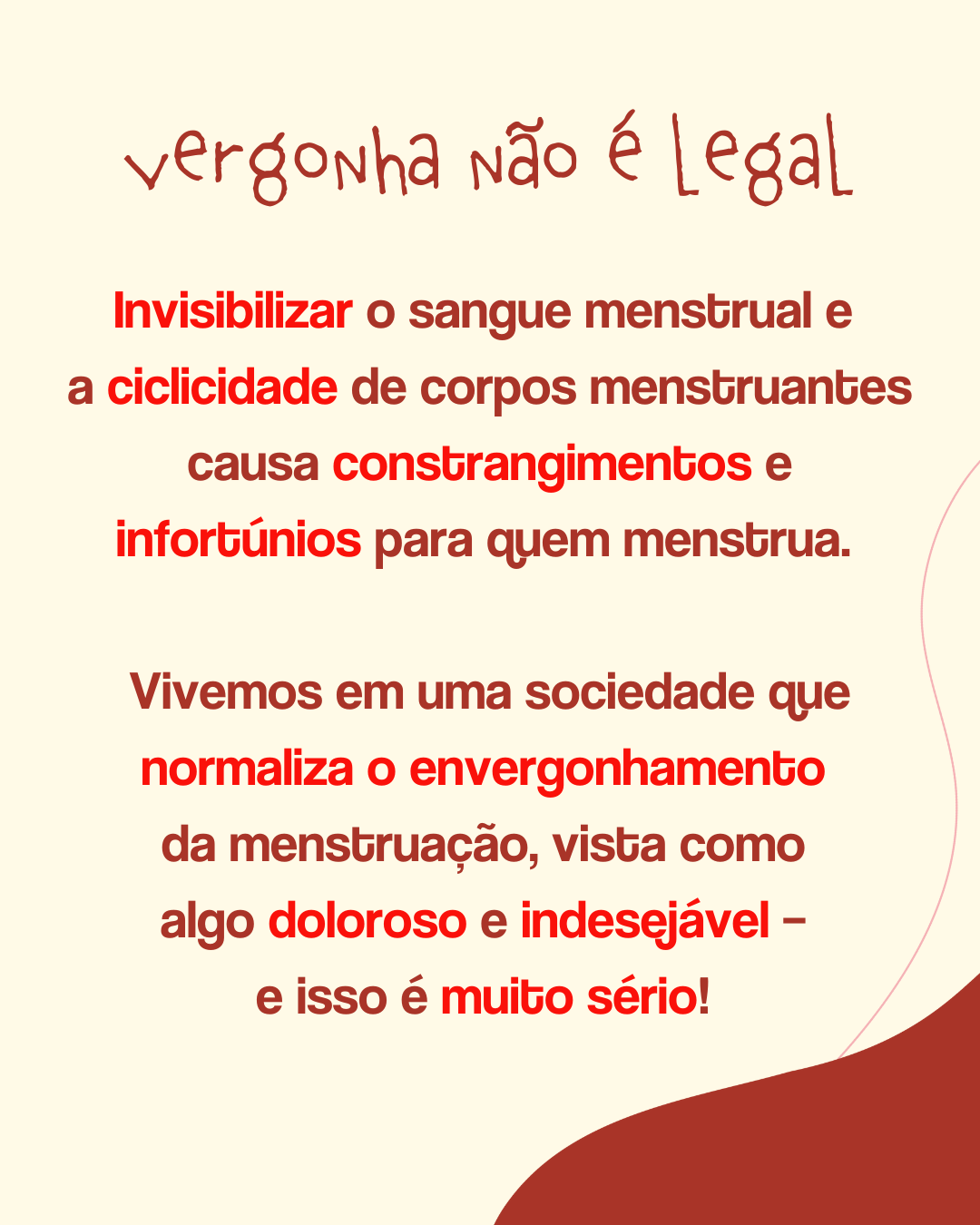
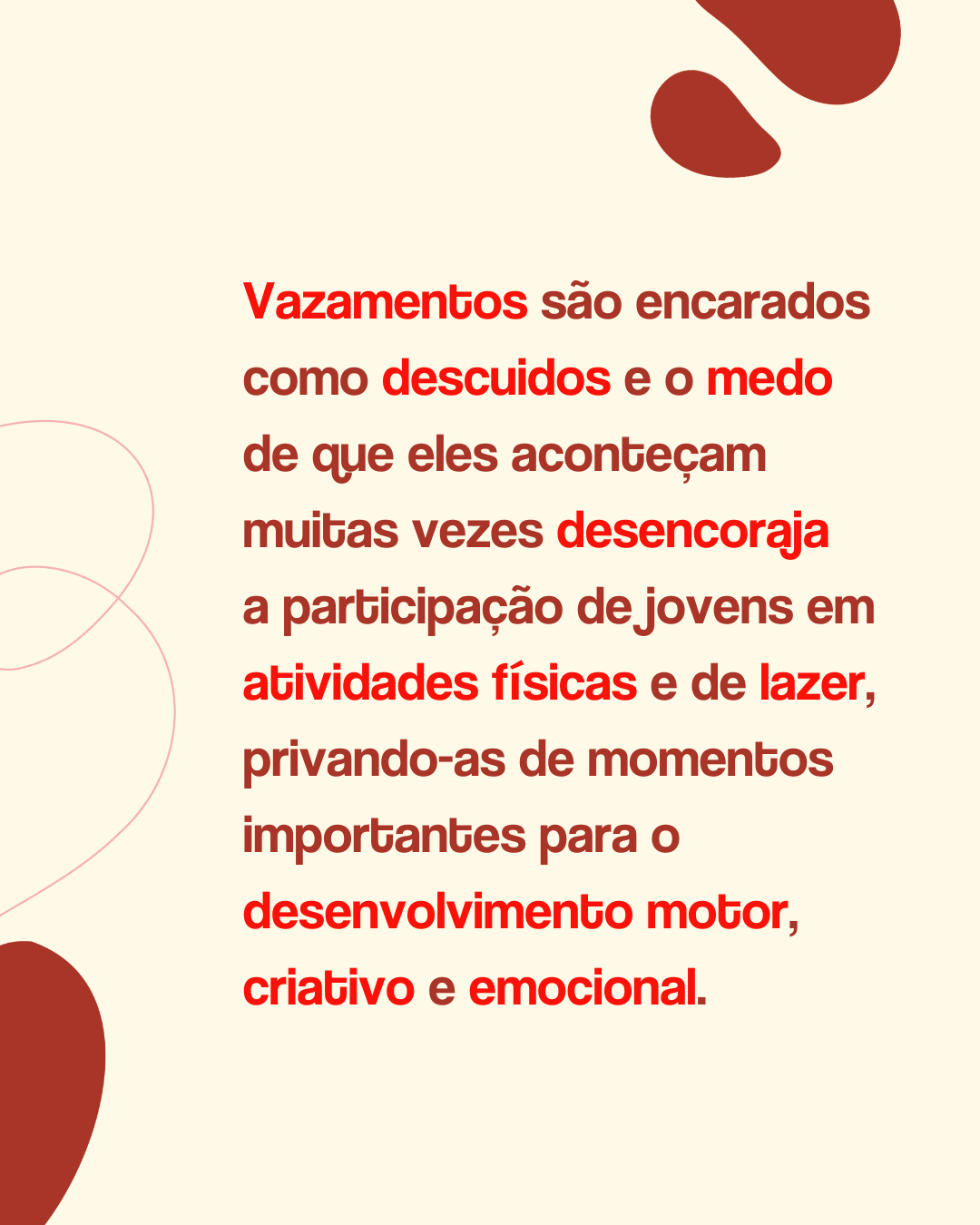
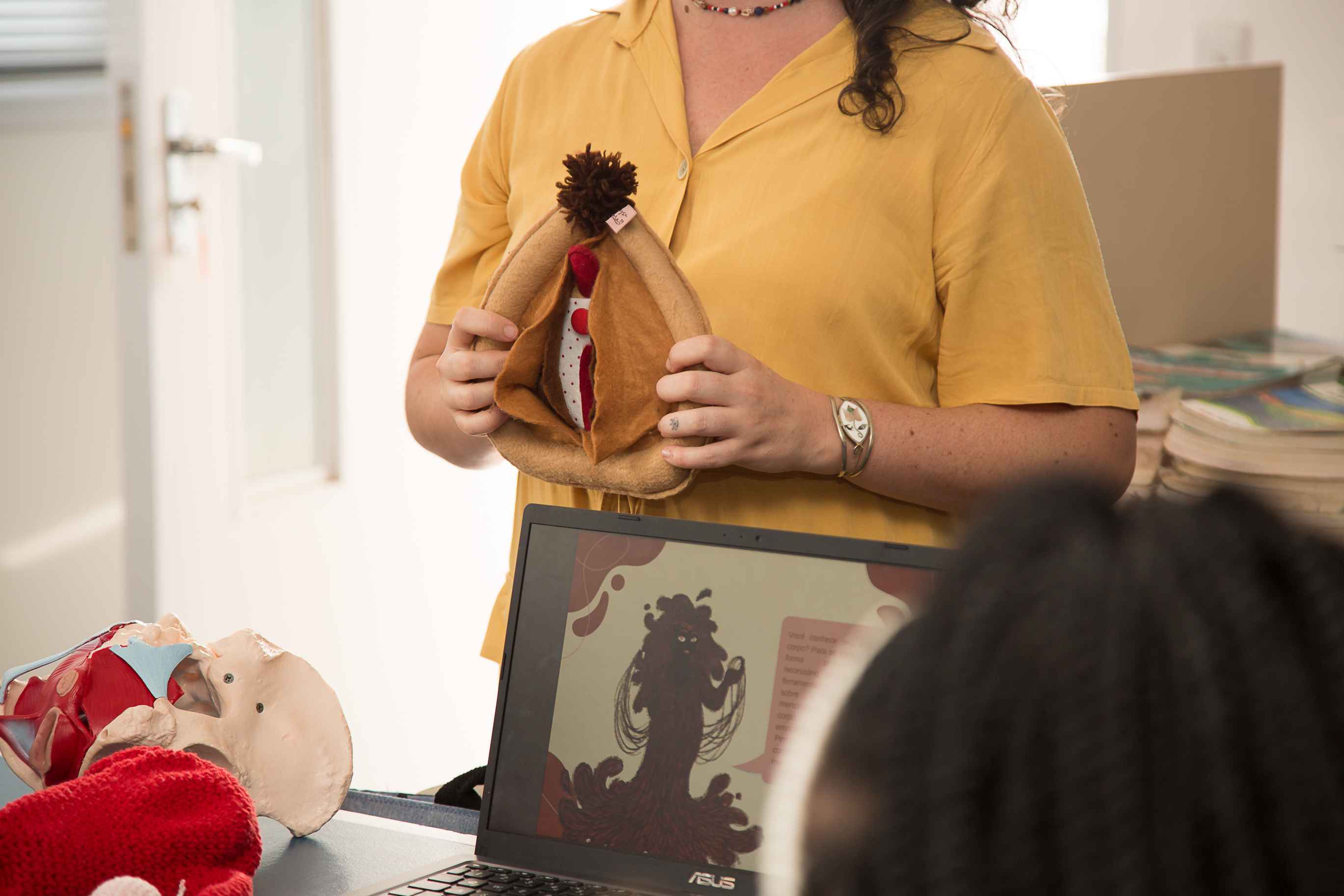
The workshops aim to create original and creative spaces for discussions and experiences about menstruation, beyond the perspective that considers menstrual blood as something negative or shameful, and beyond the conventional biomedical model, which is usually the most widespread and familiar.
Menstruation is addressed in a transdisciplinary way, bringing in knowledge from other fields such as anthropology, history, and the arts, and creating activities that take the subject beyond reflection and into action.
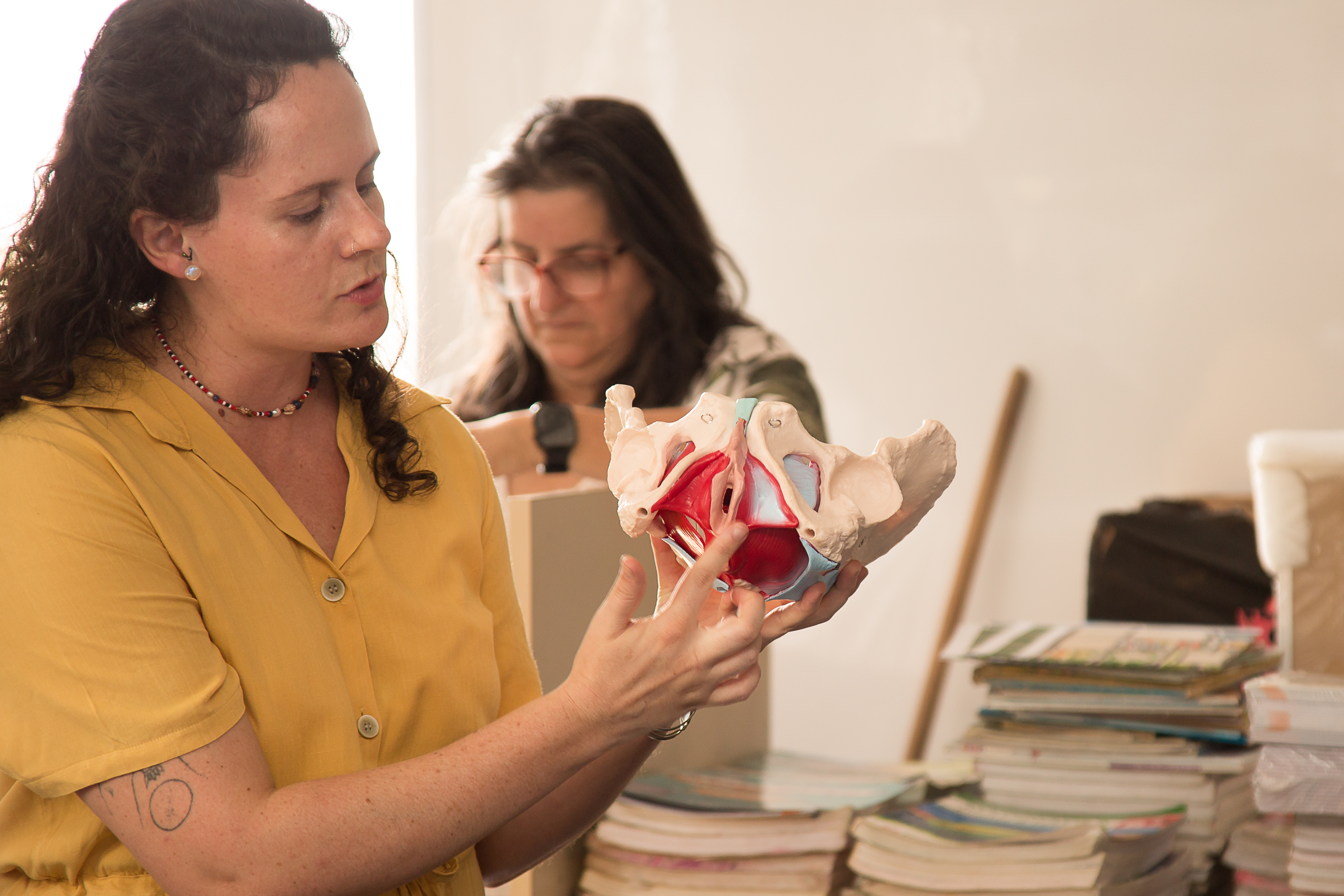
Some topics that may be addressed during the meetings include the history of menstruation; the construction of gender relations; the origins of taboos and the idea of disgust surrounding menstrual blood; different cultural perspectives on the subject; the medicalization of menstruation and resistance practices; what menstrual poverty is and its impacts; how menstrual education works; the role of boys and men in this debate; information about female and menstruating anatomy and the menstrual cycle; physical, mental, and emotional changes connected to the cycle and how they are perceived in society; menstrual hygiene and self-care; sexuality and contraception; among other topics.
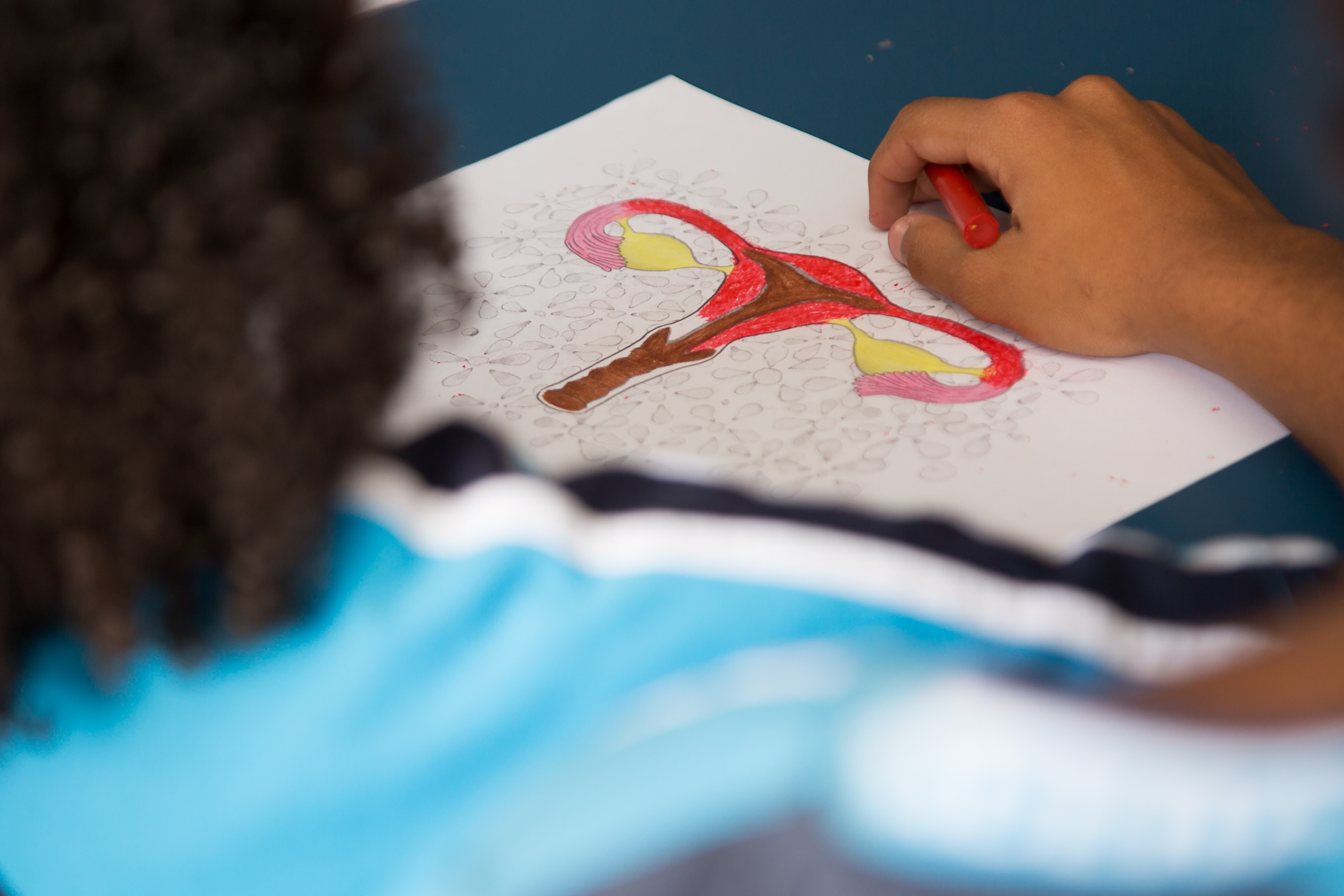
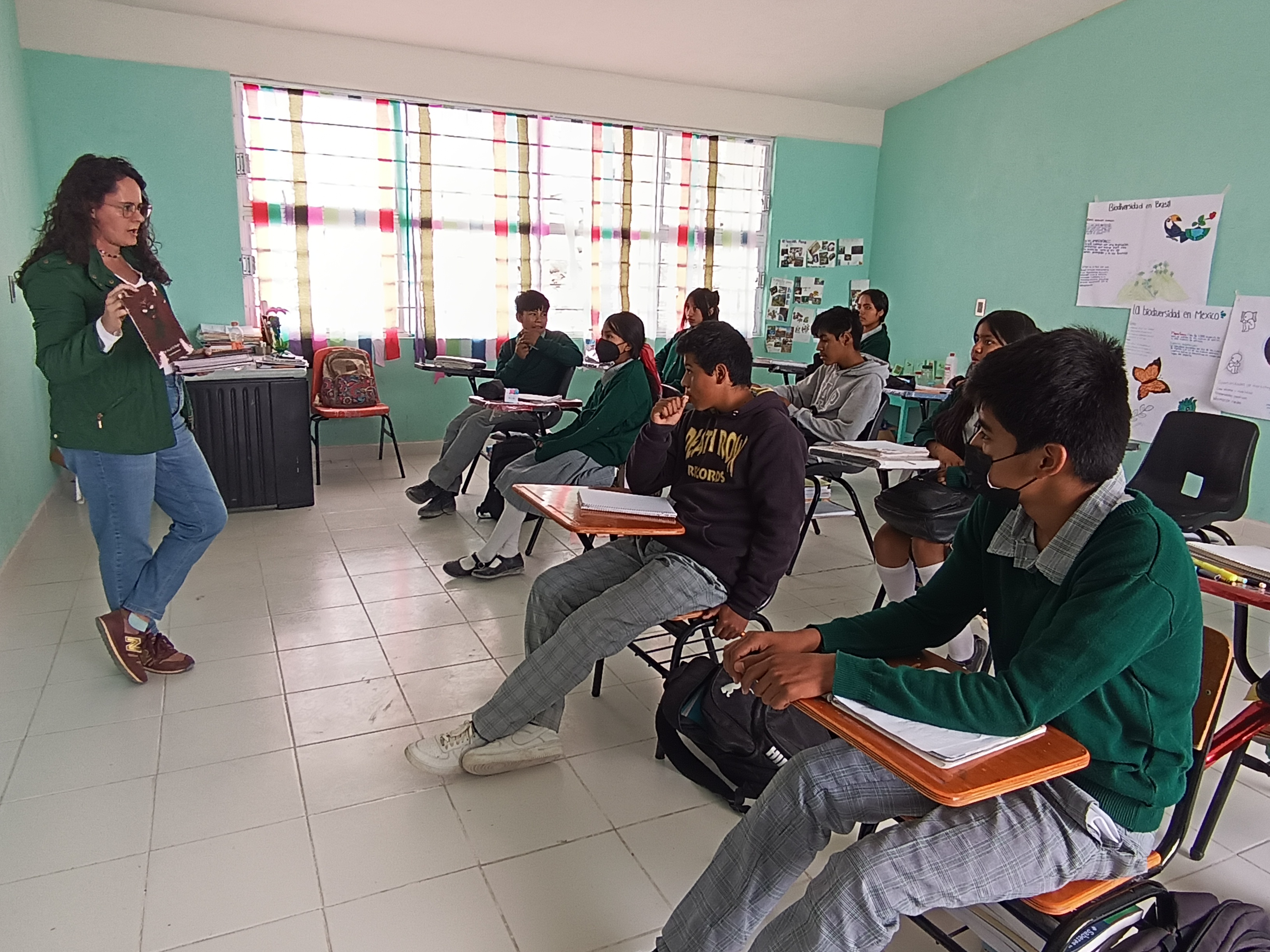
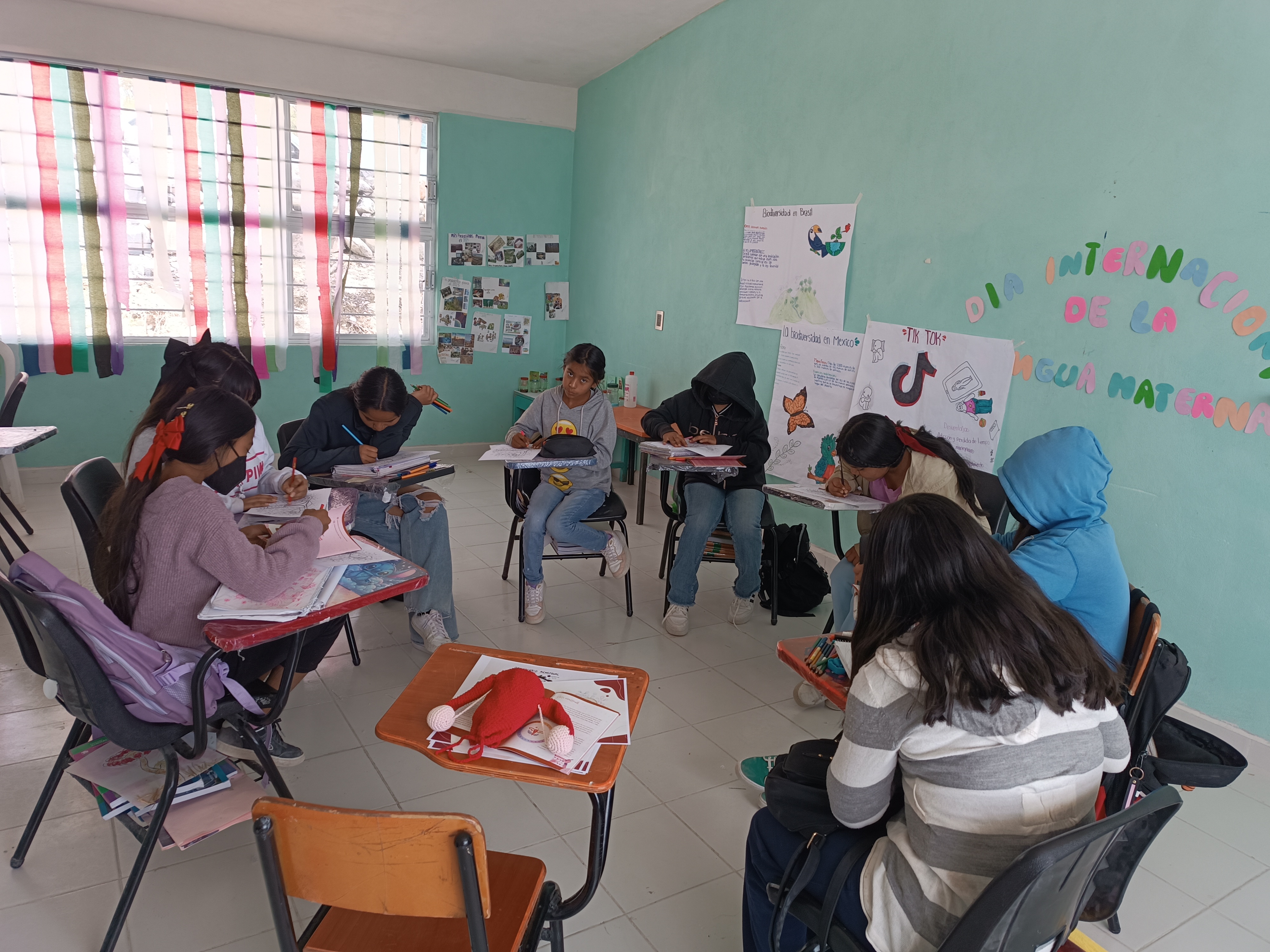
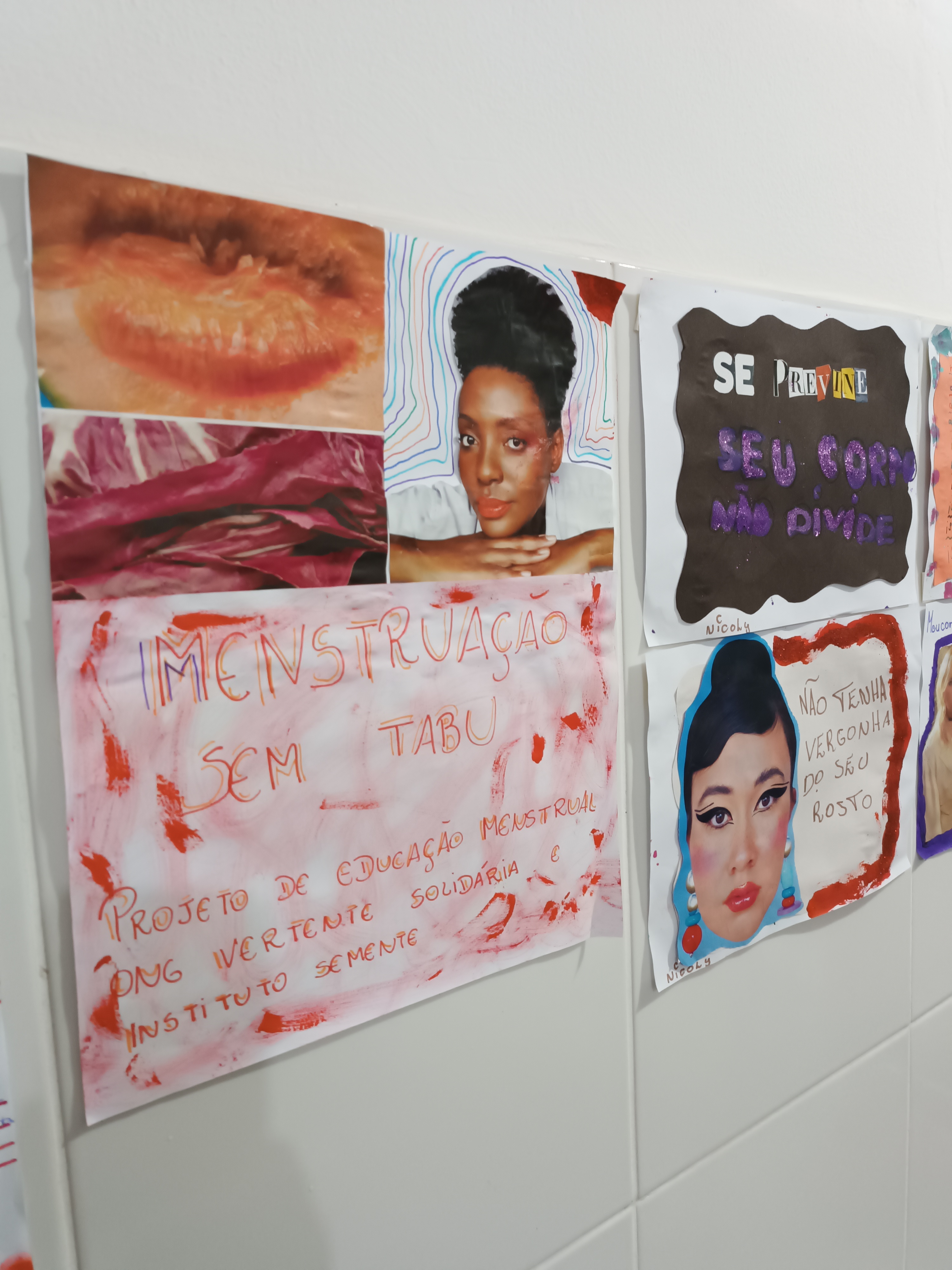
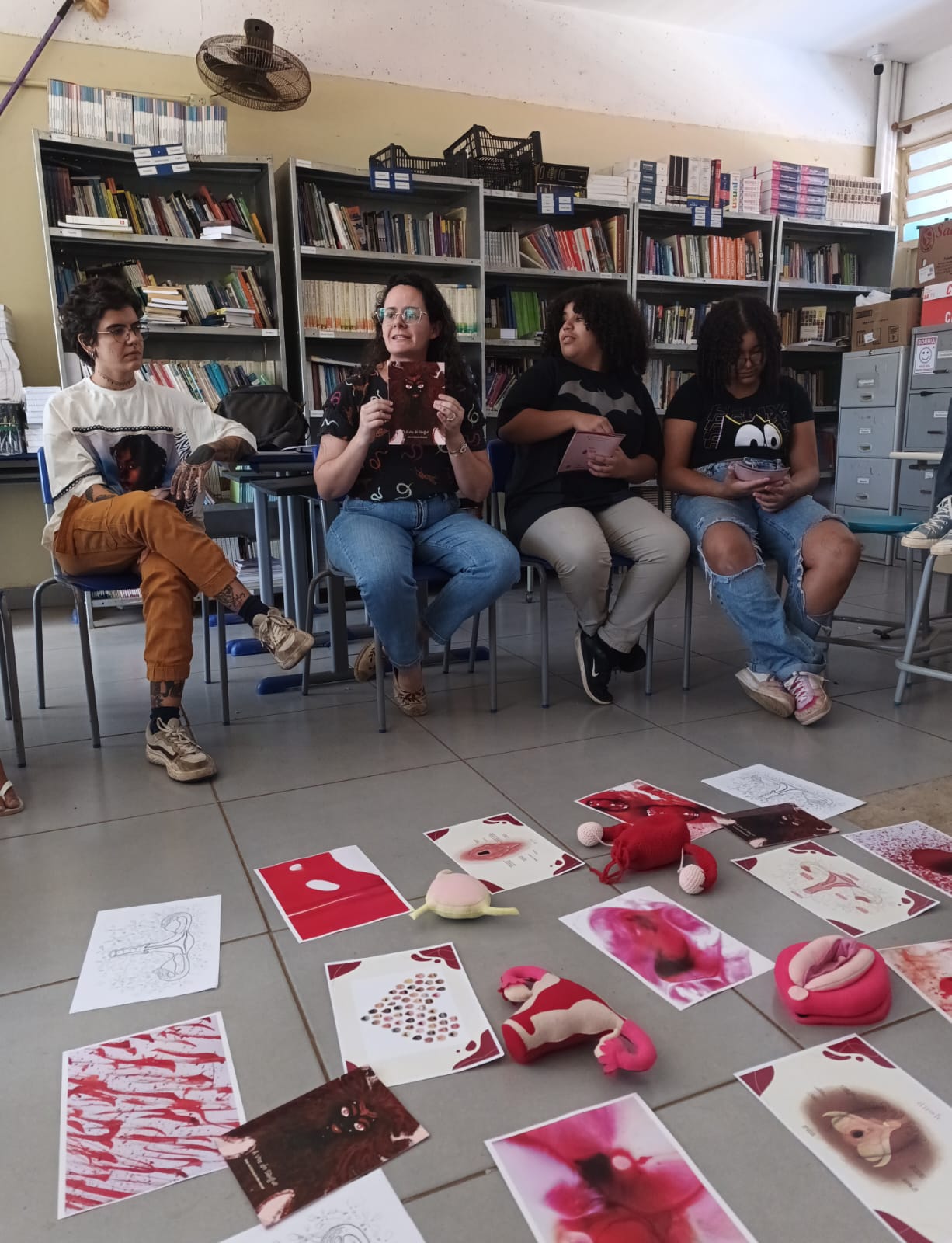
In practice, these topics are addressed in regular meetings with students through classes designed to create a space for dialogue, exchange of experiences, and information, while also leading them to practical action through activities and concrete social and artistic interventions.
“Menstrual Education is dedicated to informing people about menstrual cycles, encouraging girls, women, and people who menstruate to know their bodies, cycles, and sexuality. This is a path toward autonomy and toward building well-being with themselves and their own bodies, broadening the perspective on the biological, psychological, social, political, and cultural aspects of menstruation. The idea is not to make someone love menstruating, but rather to help them live as well as possible with their body and cycle, learning how it works through menstrual, bodily, and emotional literacy. And when the topic is also addressed with boys and men, the idea is to help them understand their role in breaking the taboos surrounding menstruation and the importance of creating and ensuring a safe environment so girls, women, and menstruating people can menstruate with dignity.”
— Professor Dr. Janaina Morais
What do students think about the Menstruation Without Taboo project experience?
- “Very good. I never had a taboo about this subject, but seeing other people becoming more interested and less ashamed was a really good experience.”
- “I found it very cool and informative. I shared a lot of information with family and friends.”
- “I thought it was very interesting and valuable. It is a subject that makes us much closer to our classmates and much more informed about topics that are extremely important.”
- “It was very good. I improved my understanding of menstruation and also realized that this subject can be comfortable when approached in the right way.”
- “The project was very interesting. Including menstruation in school discussions not only meets students’ educational needs but also contributes to building a more informed, equitable, and respectful society.”
- “My experience was very interesting and full of curiosities I had never imagined. This project was innovative and something I really enjoyed learning more about, because it had never been addressed in any school I attended. It aims to inform us about many aspects and knowledge about our bodies and how they react during menstruation.”
- “It was a pleasant and even liberating experience, normalizing conversations about the female body in a simpler and more understanding way.”
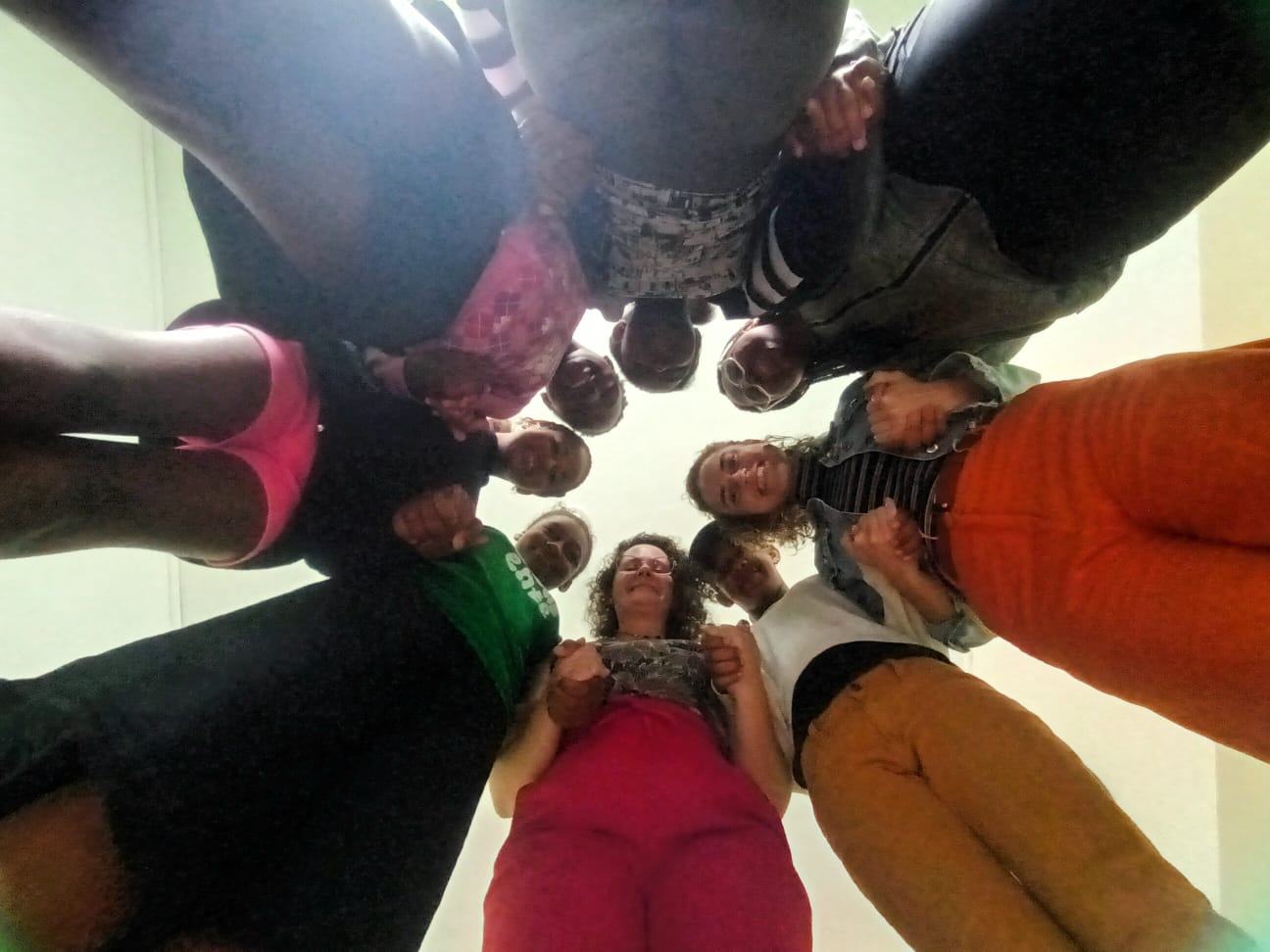
Workshop Gallery

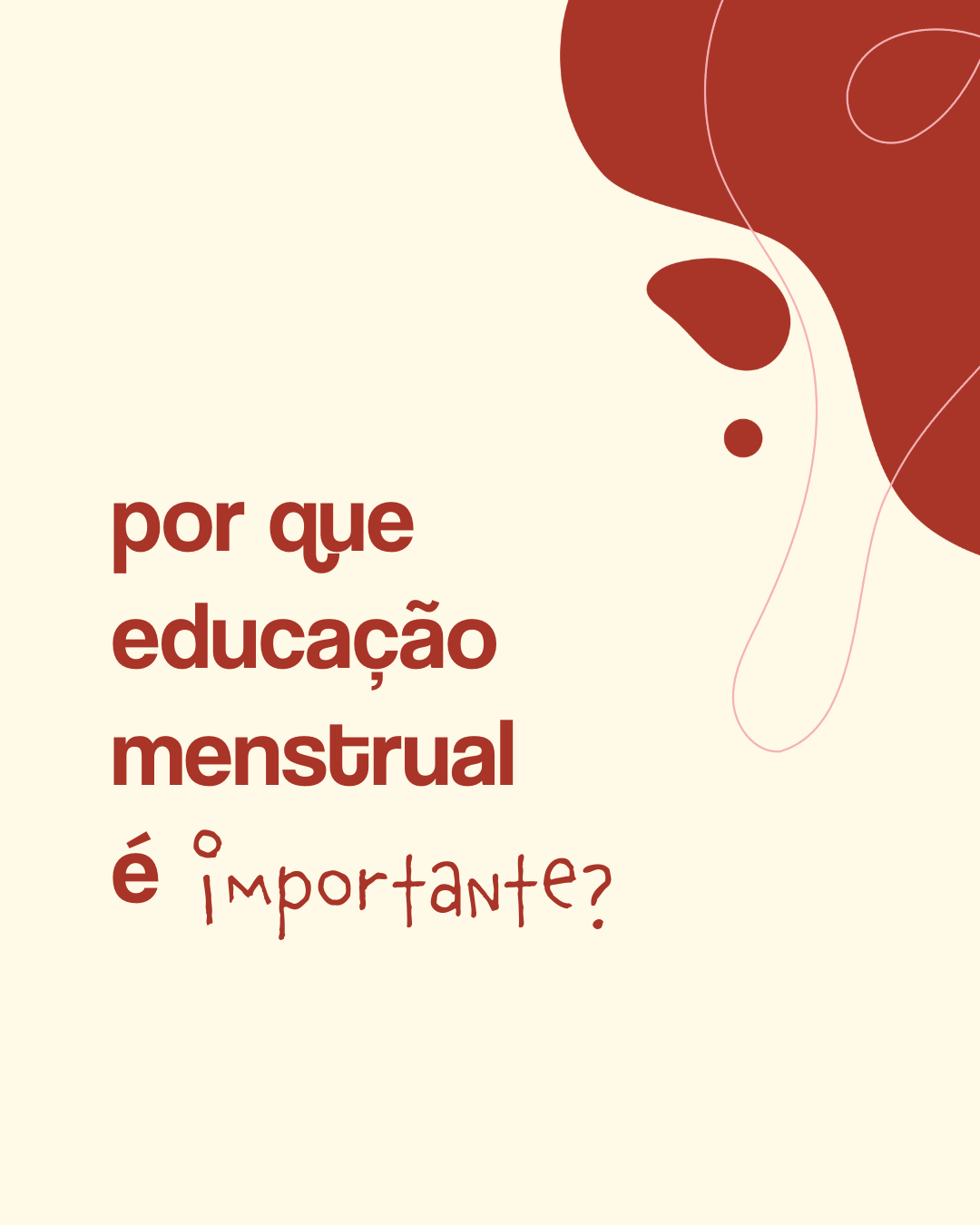
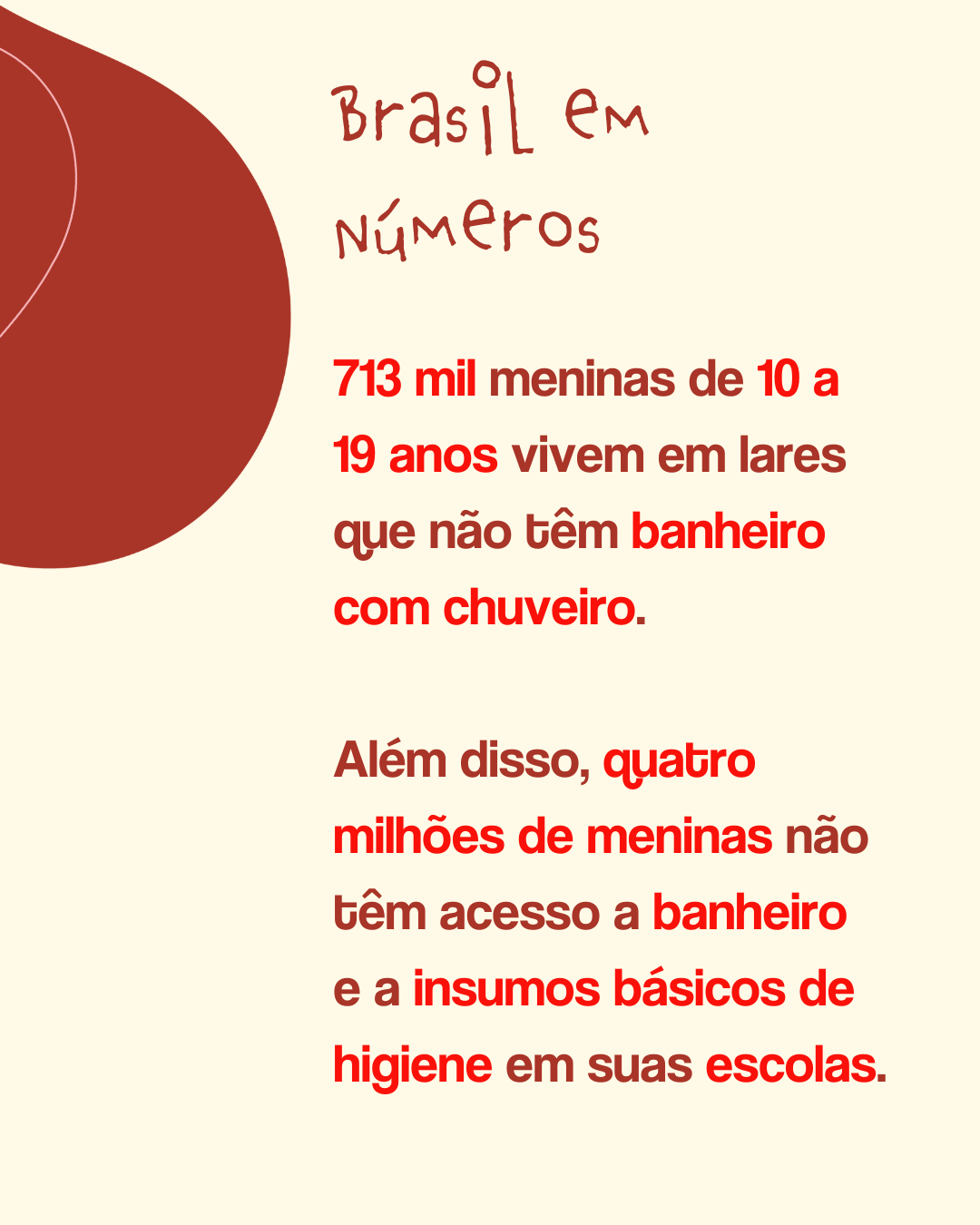
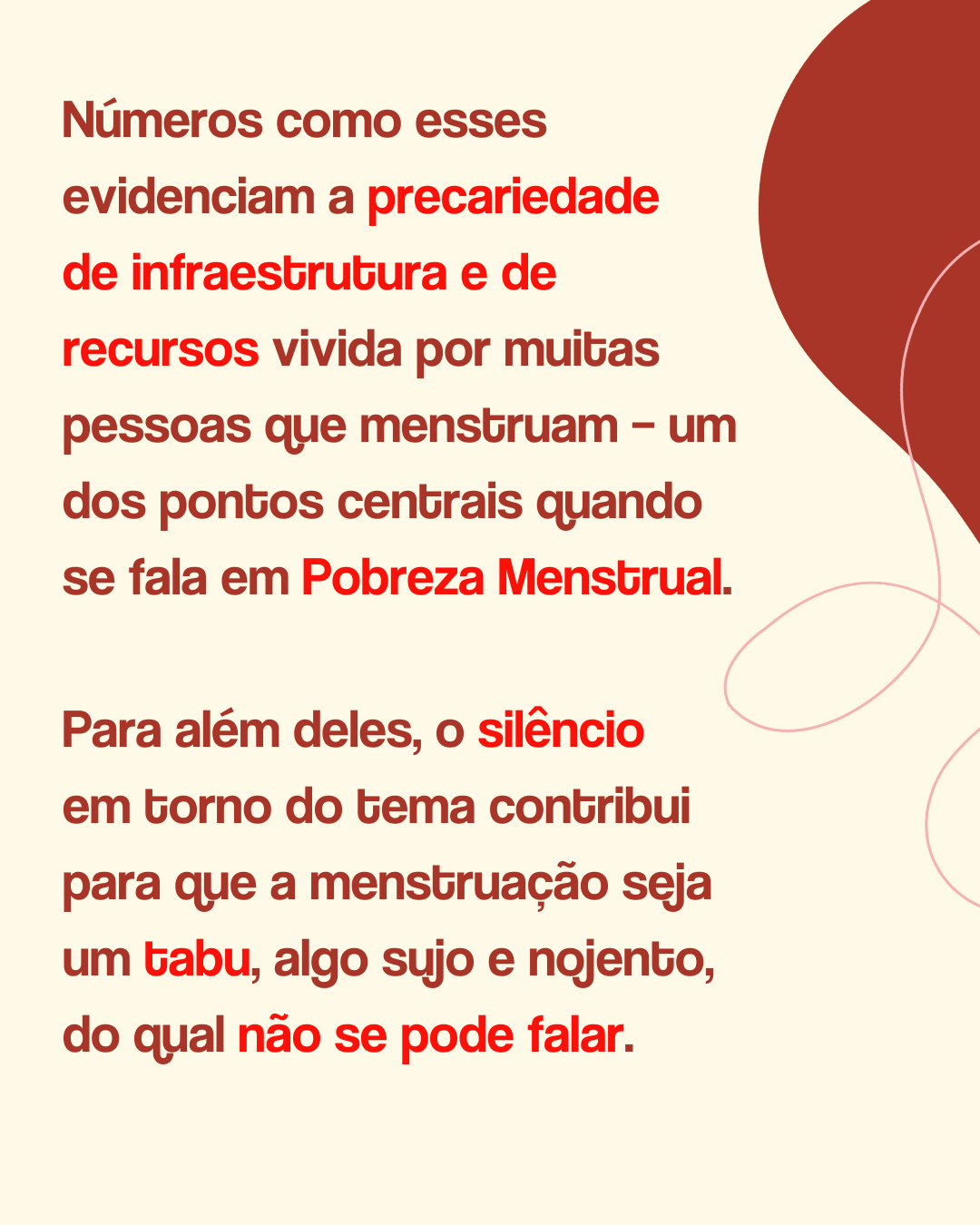
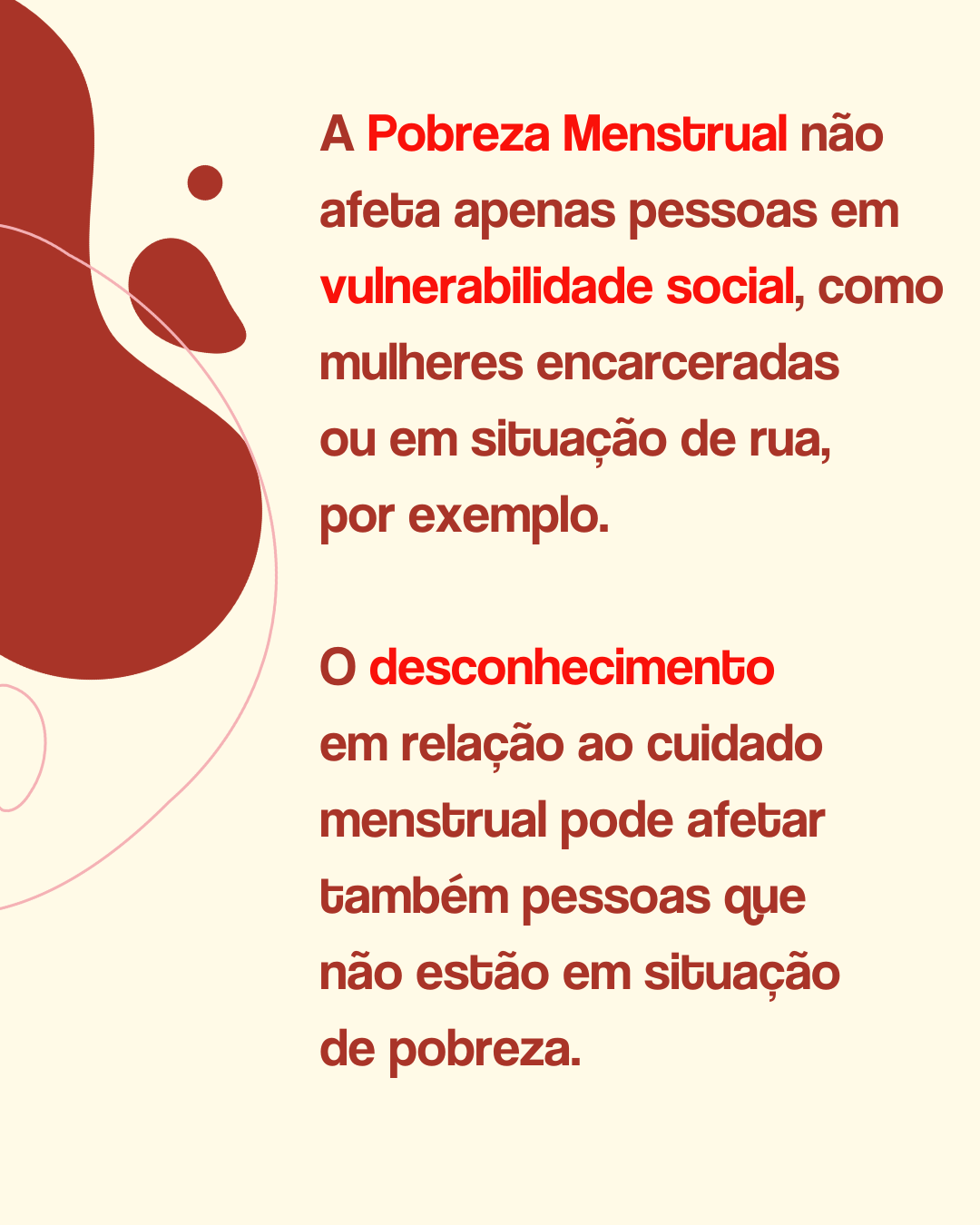
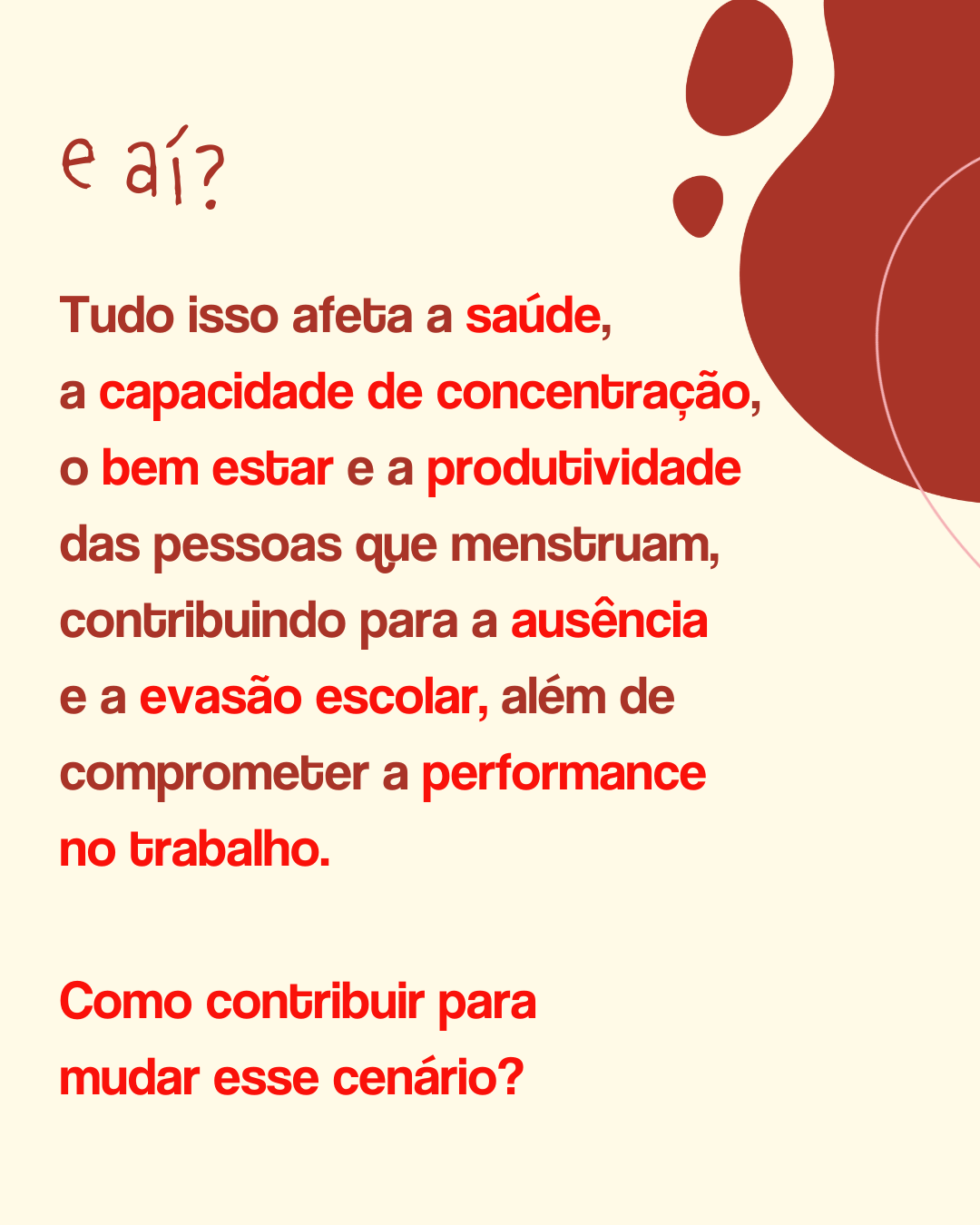
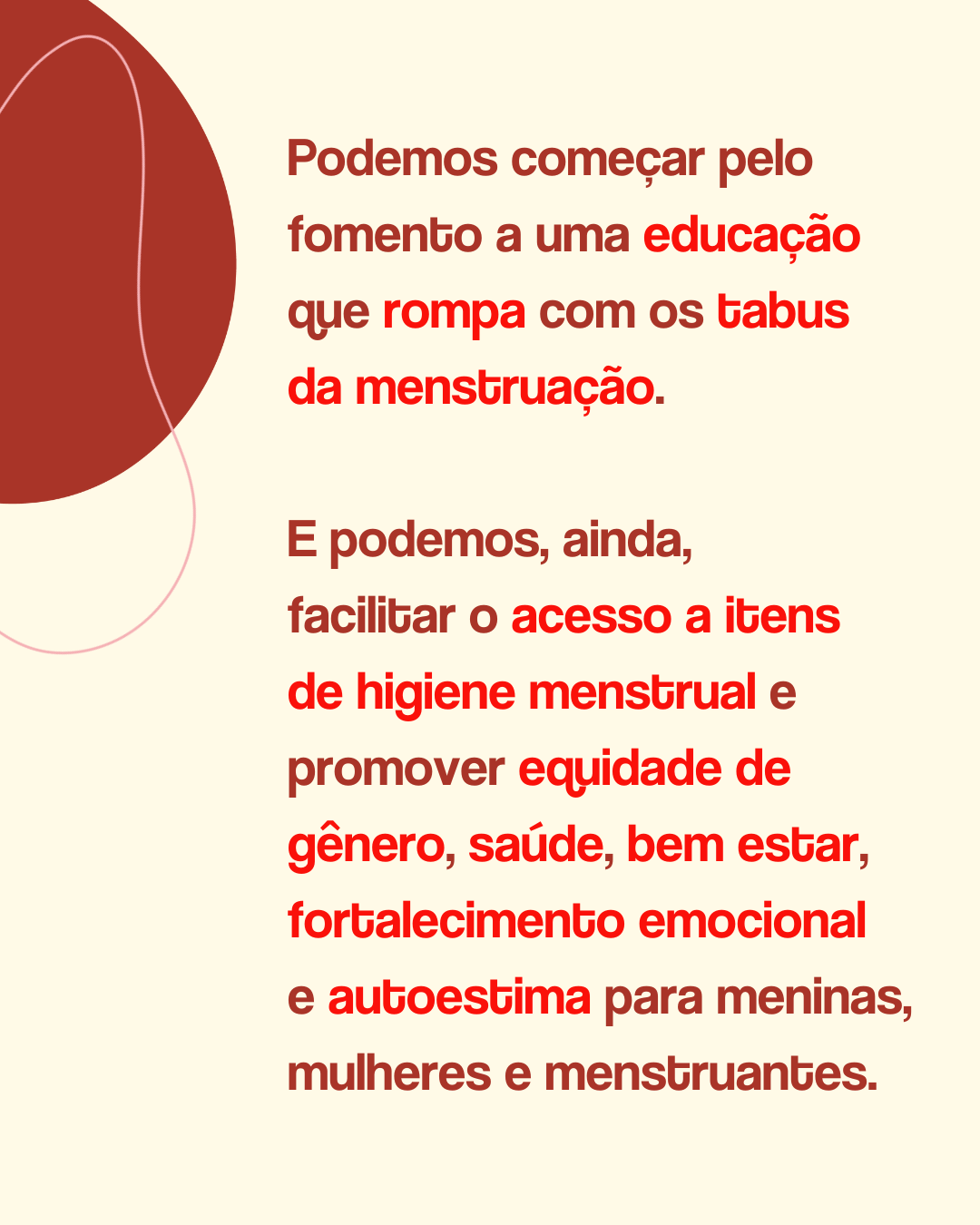
Why is Menstrual Education important?